If you’ve been meaning to preserve your wedding dress but haven’t gotten to it yet, you’re not behind and you’re definitely not alone. Most brides don’t have a clear timeline for preservation, and weeks can easily slip by after the wedding.
The important thing is understanding that preservation isn’t about urgency for urgency’s sake. It’s about protecting something meaningful before time has a chance to change it. Before you assume your dress can wait indefinitely, this guide offers clarity on why preservation is less about rushing and more about preventing slow, unseen changes.
A wedding dress doesn’t have to look dirty to begin changing. From a preservation standpoint, the most important issues usually aren’t visible right after the wedding. What matters is what the fabric was exposed to during hours of wear, movement, and contact with skin and surroundings. Those substances begin interacting with fibers almost right away, even if nothing looks wrong on the surface.
Many of the substances that affect a wedding dress dry clear. They don’t leave obvious spots, but they remain in the fabric.
Common examples include:
These materials are organic. As time passes, exposure to air and light causes gradual changes in the fabric.
Oxidation is a slow chemical reaction between residue left on the dress and oxygen in the air. You see the same process when a sliced apple turns brown. On a wedding dress, oxidation often shows up as faint yellowing or dull patches weeks or months later.
This process doesn’t start later; it starts immediately. Just because your dress looks clean doesn’t mean waiting is risk free.
There isn’t a single cutoff date that suddenly makes preservation impossible. Fabric changes happen gradually, and the longer you wait, the higher the risk. From a preservationist’s perspective, the timeline is flexible, but earlier action always provides greater control over the outcome.
Rather than rigid deadlines, preservation specialists think in ranges:
These are observations based on how fabrics behave after wear.
Fresh residues respond more predictably to cleaning. The longer substances sit in fabric, the more they bond with fibers. That bonding makes removal more difficult and sometimes incomplete.
Professionals suggest acting sooner because fabrics respond better early on, not because they’re trying to rush you.
Delaying wedding dress preservation doesn’t always cause immediate damage. In many cases, the changes happen slowly and quietly. That’s why people often feel surprised months later when issues appear. These patterns are familiar to preservation professionals.
Yellowing is the most common delayed issue. It usually appears in areas with the most skin or air contact.
Typical locations include:
The color change is a chemical reaction that becomes increasingly difficult to reverse over time.
Residues such as sweat and sugar are mildly acidic. Over time, they weaken fibers at a microscopic level. The fabric may still look fine, but it becomes more fragile.
This can show up later as:
Once oxidation fully develops, stains can become permanent. At that stage, cleaning may lighten them but not remove them completely. This is one of the main reasons timing matters in wedding dress preservation.
Professional wedding dress cleaning and preservation follows a careful, step-by-step process. It focuses on stabilizing the dress rather than enhancing it. Each step exists to slow future deterioration and protect the materials as they age. This process protects the dress from the inside out.
Preservation begins with careful inspection and fabric testing. Cleaners identify fiber types, dyes, and embellishments before choosing a method.
The cleaning process typically includes:
The process cleans without straining delicate fibers.
After cleaning, the dress must dry in a controlled environment. Technicians reshape the dress and support fragile areas. Beading, lace, and seams are checked for stress.
This step ensures the dress won’t deteriorate due to tension or uneven folding later.
Preservation storage uses materials designed for long-term textile care, such as:
These materials slow oxidation and prevent yellowing caused by improper storage.
Wedding dress cleaning and preservation isn’t about making the dress look new. It’s about slowing natural aging as much as possible. When preservation happens sooner, each step works more effectively because the fabric is closer to its original condition.
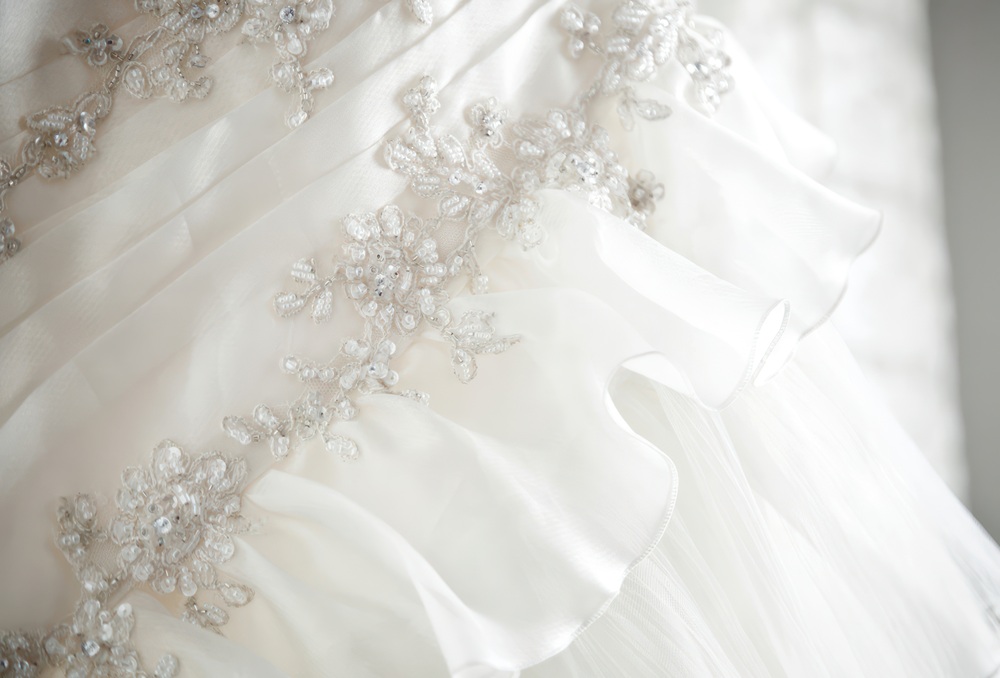
Deciding when to preserve your dress depends on what’s happening beyond what you can see, including invisible stains and residues that begin interacting with delicate fabrics right after the wedding.
At Dallas Parkway Cleaners, we provide professional Dallas Wedding Dress Cleaning and Preservation Service designed to stabilize your dress before those changes become harder to manage.
Simply bring in your dress, and our specialists will carefully inspect it and provide a detailed quote within a few business days – no shipping, no outsourcing, and no work performed without your approval.
If you’re ready to protect your dress with expert, on-site care, call (214) 624-6189 today and let our team help keep your wedding dress just as timeless as the day you wore it.